Dreaming about a place near the water sounds simple until you start asking the real questions. Is the house truly set up for year-round use? What will flood insurance cost? Is it on septic, well, or sewer? If you are thinking about buying a second home or getaway in Old Lyme, you need more than a pretty listing photo. You need a clear plan for the property, the budget, and the practical details that come with shoreline ownership. Let’s dive in.
Why Old Lyme appeals to second-home buyers
Old Lyme offers something many coastal towns do not: variety. The town includes about 14 miles of shorefront, and its planning documents describe distinct beach and riverfront areas with different housing patterns, lot sizes, and levels of seasonal use.
That matters because Old Lyme is not one uniform “coastal market.” Communities such as Point O’Woods, Old Colony Beach, Miami Beach, and Old Lyme Shores were historically summer-cottage areas that later shifted toward year-round use. Sound View is described by the town as a compact seaside community with smaller-scale residential and commercial activity.
For you as a buyer, that means one home may function very differently from another, even if both are close to the water. A getaway property in Old Lyme can range from a compact cottage-style home to a larger year-round residence, so it helps to compare each property on its own facts rather than broad assumptions.
Start with the full budget
Your down payment is only part of the picture. If you are buying a second home or vacation property in Old Lyme, you also need to account for ownership costs that can feel bigger in a coastal market.
The Town of Old Lyme lists a mill rate of 16.23 for the 2024 Grand List, so property taxes should be built into your budget early. Connecticut also applies a real estate conveyance tax when the transfer amount is at least $2,000, and the return is filed when the deed is recorded.
For residential property in Connecticut, the current state conveyance tax rate is 0.75% up to $800,000, 1.25% from $800,000 to $2.5 million, and 2.25% above $2.5 million. The municipal conveyance tax rate is 0.11%.
You should also plan for several costs buyers sometimes underestimate:
- Home inspection fees
- Title and recording costs
- Flood insurance, if needed
- Repairs and updates
- Furnishings for a second home
- Ongoing maintenance reserves
- Heating and exterior upkeep during vacant periods
Connecticut consumer guidance specifically encourages buyers to think about repairs, furnishings, real estate taxes, and maintenance when setting a budget. For a getaway property, that advice matters even more because homes that sit vacant part of the year often need extra attention.
Know the home type you are buying
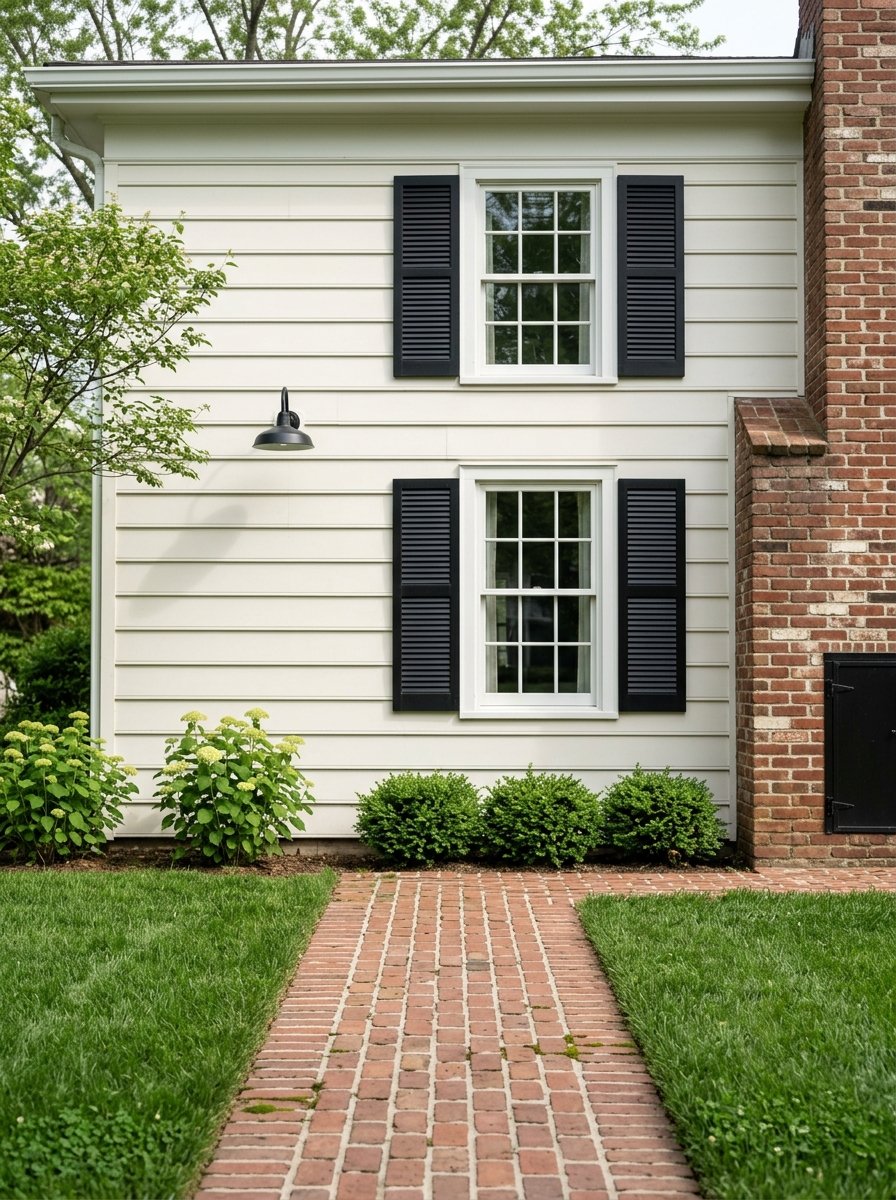
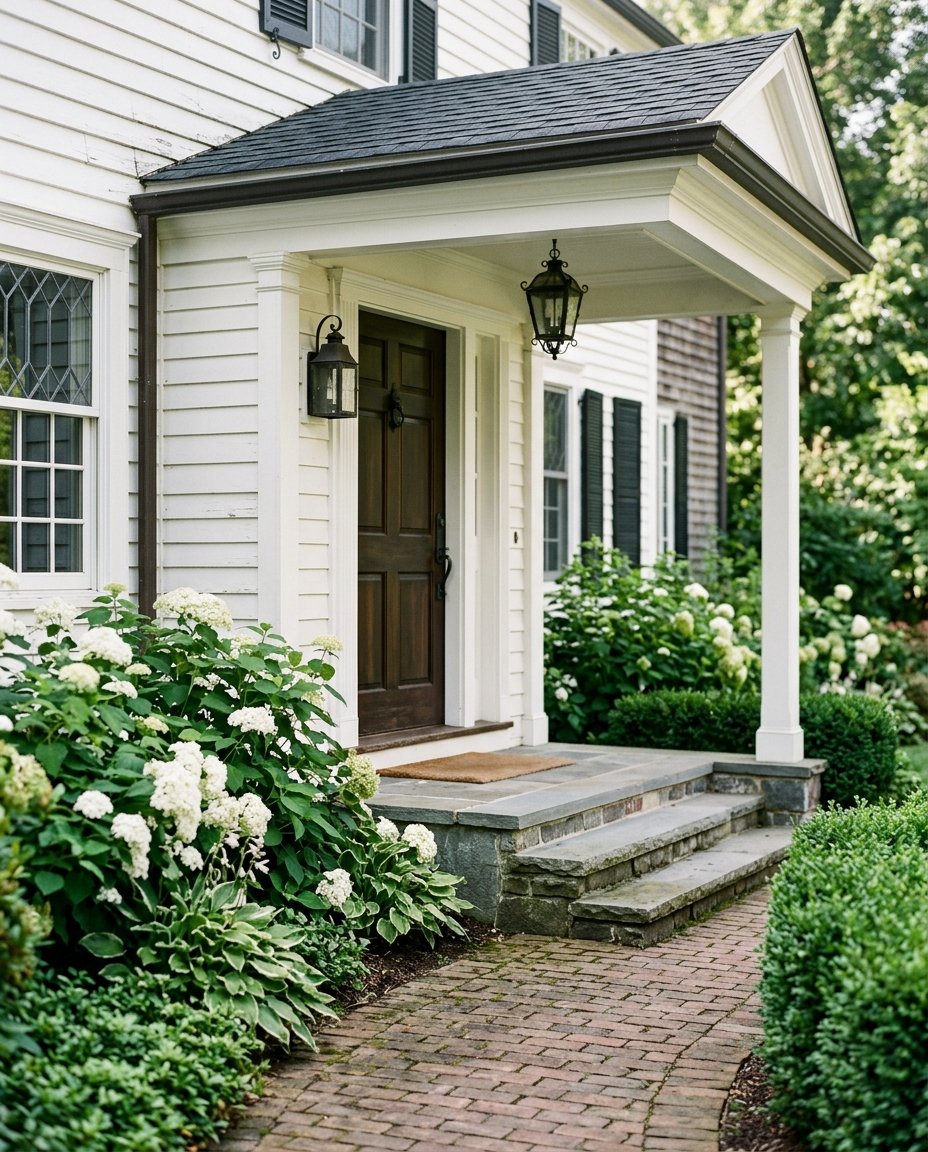
Old Lyme has a wide mix of home styles. The town’s historic inventory includes Cape Cod cottages, New England farmhouses, Federal, Colonial Revival, Shingle, Queen Anne, Dutch Colonial, Craftsman, and other vernacular homes.
That variety is more than a style note. It can give you clues about the age of the home, the likely condition of major systems, and whether the property may have started life as a seasonal cottage rather than a full-time residence.
Ask if the home was built for seasonal use
In Old Lyme’s shoreline communities, many homes were originally summer cottages and later converted to year-round use. That history can affect insulation, heating, plumbing, windows, and overall durability in colder months.
When you tour a property, ask direct questions such as:
- Was the home originally seasonal or year-round?
- What upgrades were made for full-time living?
- How old are the roof, heating system, and plumbing?
- Are there any areas that are difficult to heat in winter?
- Has the property had issues related to vacancy or moisture?
A charming cottage can still be a great fit, but you want to know whether it performs like a modern year-round home or still carries some of its seasonal roots.
Check flood and coastal risk early
In Old Lyme, flood and erosion questions are not side issues. The town’s planning documents identify shoreline areas as major economic drivers and also among the parts of town most exposed to sea-level-rise risk.
That is why flood, drainage, and long-term maintenance should be part of your buying decision from the start. Waiting until late in the process can create unpleasant surprises.
Flood insurance may be separate
The Connecticut Insurance Department states that standard homeowners policies typically do not cover flood damage. Flood insurance must usually be purchased separately through the National Flood Insurance Program or a private insurer.
The department also notes that flood policies generally have a 30-day waiting period. If a home is in a high-risk flood zone and you are using a government-backed mortgage, flood insurance is required.
Before you move forward, confirm:
- Whether the property is in a flood zone
- Whether flood insurance will be required
- What the estimated premium may be
- Whether past flooding or drainage issues have been documented
Old Lyme’s resident resources direct buyers to FEMA and NOAA flood map tools as well as MyCoast for coastal-flood documentation. Those resources can help you gather facts before you commit.
Confirm sewer, septic, and well details
This is one of the biggest practical checks for buyers in Old Lyme. The town states that, except for some shoreline communities, Old Lyme does not have municipal sewers. It also says private wells are the main domestic water source for most of town, while some beach areas are served by Connecticut Water Company.
In plain terms, do not assume a property has public utilities just because it is near the shoreline or near other homes. You should confirm exactly how water and wastewater are handled.
Questions to ask about utilities
Before you buy, find out:
- Is the property on sewer or septic?
- Is the water source a private well or public water service?
- When was the septic tank last pumped or serviced?
- Are pump-out records available?
- Are there any known well or water-quality issues?
Old Lyme’s WPCA page includes a septic tank pump-out history lookup, and the town points buyers to local regulations covering sewage disposal and private residential wells. For a second home, these details matter even more because service interruptions or deferred maintenance can be harder to catch when you are not living there full time.
Plan for vacancy and winterization
A second home has needs that a primary residence may not. If the property will sit empty for stretches of time, you need a clear plan for cold weather, plumbing, and routine check-ins.
Connecticut emergency guidance recommends protecting pipes from freezing, insulating exposed lines, keeping cabinet doors open where pipes may freeze, and knowing how to shut off the main water valve if a pipe bursts. The Connecticut Insurance Department also warns that many policies cover sudden pipe bursts only if the home was properly heated and maintained.
That makes these questions worth asking before closing:
- How is the house heated during winter?
- What temperature is typically maintained when vacant?
- Who checks the property during long absences?
- Is there a shutoff plan for water, irrigation, or outbuildings?
- Have pipes ever frozen in the home?
If you plan to use the home mostly in warmer months, winter management still matters. A smart shutdown and monitoring plan can help protect both the property and your insurance coverage.
Understand historic district rules
If you are considering a property near Lyme Street, take time to confirm whether it falls within the Old Lyme Historic District. The town’s Historic District FAQ explains that a Certificate of Appropriateness may be required for many exterior changes visible from a public way.
That can include changes involving windows, fencing, driveways, exterior lighting, HVAC units, generators, and roof work when materials change. If your dream getaway needs exterior updates, this step can affect both your timeline and renovation plan.
Historic oversight does not automatically make a property a bad fit. It simply means you should understand the approval process before you budget for improvements.
What happens after your offer is accepted
Connecticut’s buying process has a few details that out-of-state buyers do not always expect. The Department of Consumer Protection frames the mortgage process in three stages: pre-qualification, application and underwriting, and closing.
Once your offer is accepted, you move into the formal mortgage application process. Connecticut guidance also recommends bringing in an objective home inspector and doing a final walk-through before closing.
Connecticut closings involve an attorney
One important local difference is that a real estate closing in Connecticut must be conducted by a Connecticut-admitted attorney. That means your timeline is often shaped by lender underwriting, appraisal, inspection results, title review, and attorney scheduling.
For buyers used to a title-company model in other states, this is an important adjustment. A smooth closing usually comes down to staying organized, responding quickly to lender requests, and understanding the legal and property-specific details early.
A smart Old Lyme buying checklist
If you want to shop with confidence, focus on the questions that matter most for this market:
- Is the property truly year-round or originally seasonal?
- Is it in a flood zone?
- What flood insurance may be required?
- Is the home on sewer, septic, or well?
- Are service and pump-out records available?
- Does the house have a solid winterization and vacancy plan?
- Is the property in the Historic District?
- What maintenance reserve should you set aside for coastal ownership?
In a town like Old Lyme, the best second-home purchase is rarely just about location. It is about how the property lives, what it costs to maintain, and whether it matches how you plan to use it.
Buying a second home should feel exciting, not overwhelming. When you understand the local housing mix, coastal risks, utility setup, and Connecticut closing process, you can make a decision with much more clarity and confidence. If you want thoughtful guidance as you explore shoreline opportunities, the Gagliardi Team is here to help you navigate the details and move forward with a smart plan.
FAQs
What should you budget for when buying a second home in Old Lyme?
- You should budget for more than the down payment, including property taxes, inspection fees, title and recording costs, possible flood insurance, furnishings, repairs, and a larger maintenance reserve for vacancy and coastal wear.
How can you tell if an Old Lyme home is truly year-round?
- Ask whether the property was originally built as a seasonal cottage, what upgrades were made for full-time use, and how the insulation, heating, plumbing, and windows perform in colder weather.
Do Old Lyme second homes always have public sewer and water?
- No. Old Lyme states that most of town relies on private wells, and municipal sewers are not available town-wide, so you should confirm whether the property uses sewer, septic, well, or public water service.
Is flood insurance required for a getaway home in Old Lyme?
- It depends on the property and financing, but standard homeowners insurance typically does not cover flood damage, and flood insurance may be required for homes in high-risk flood zones with a government-backed mortgage.
Do buyers need to worry about winterizing an Old Lyme vacation home?
- Yes. If the property will be vacant during colder months, you should have a clear plan for heating, pipe protection, water shutoff, and regular property checks.
What is different about the Connecticut closing process for Old Lyme buyers?
- In Connecticut, a closing must be conducted by a Connecticut-admitted attorney, so your timeline will usually depend on underwriting, inspection, appraisal, title review, and attorney scheduling.